Hiring a business coach can offer plenty of benefits. But what do they do and how do you know whom to look for?
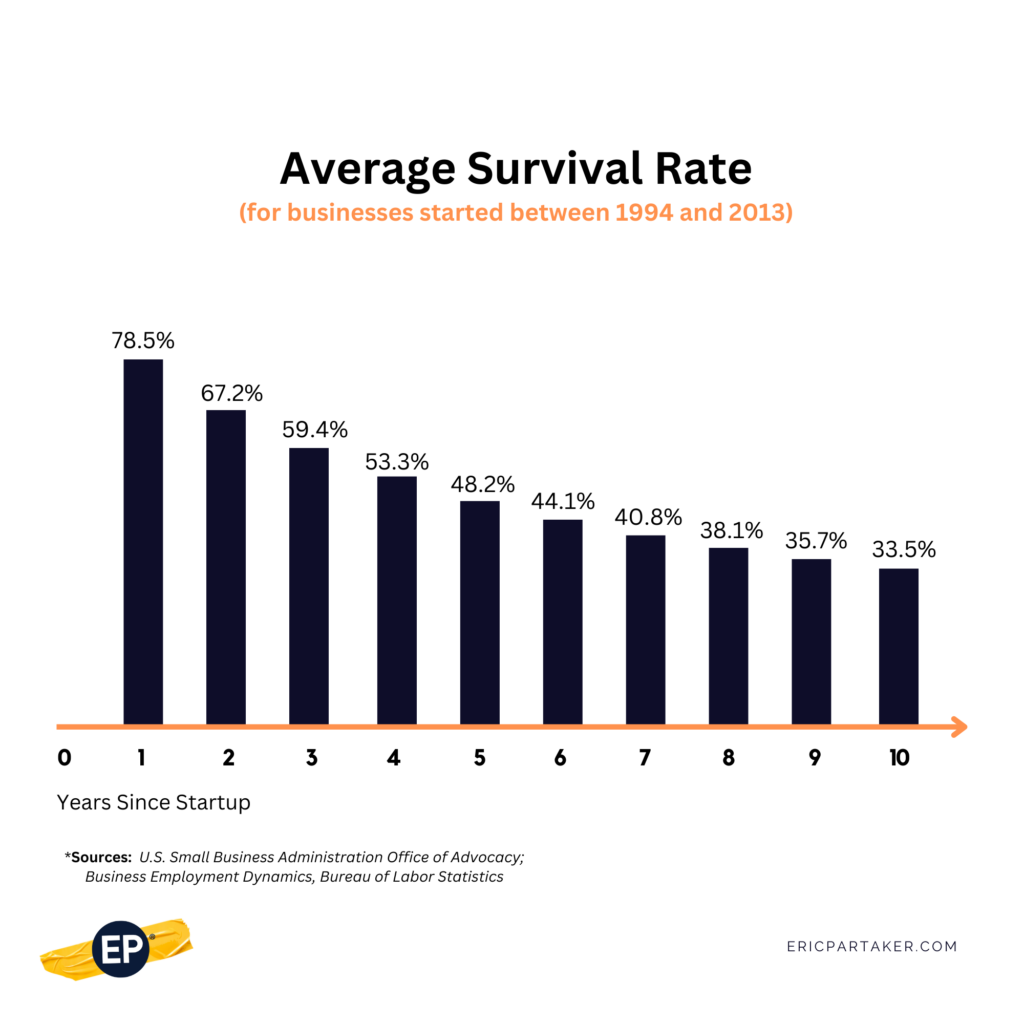
Not all businesses succeed. In fact, most don’t. According to the United States Small Business Administration, around half of small businesses survive five years; one in three make it to 10. That’s daunting.
Dealing with that kind of pressure can feel burdensome. Intimidating. Lonely.
But it doesn’t have to. All it takes is the right investment. You’re already investing a lot: in your company, your customers, your employees. How about a little bit in yourself?
Not everyone who runs a successful business has a coach, of course. But from my two decades of experience, I can tell you that a lot of them do. You know how elite athletes sometimes go through a rough patch? When nothing seems to work. When the same skills and strategies that led them to greatness fail. Entrepreneurs, business owners, and CEOs experience those same rough patches.
Today, I’m going to walk you through what a business coach does, how they help you, what you should look for in a coach, and what can change if you hire one.
What Does a Business Coach Do?
You know how sometimes you do things you think are important and it turns out they weren’t? It’s a common occurrence when you’re juggling as many things as a business owner does. Everything can seem important.
But if everything is important, nothing is important. Business owners must step back and ask what truly matters. What’s going to move the needle? Make the biggest impact? A business coach will help you identify that by forcing you to look inwards and ask, ‘why is this important to me?’
Once you have your foundational “Why”, you’re ready to place the other blocks on top to finish what you set out to build. A business coach will help you figure out what you want to build and give you tools to do the building.
Specifically, a coach will help you with:
- Strategic Planning: Craft a robust, future-proof strategy.
- Performance Analysis: Assess how you’re doing in critical areas and identify areas of improvement.
- Skill Development: Learn leadership, strategy building and management skills to uplift your employees, business, and the people it serves.
- Goal Setting: Set ambitious but achievable goals that contribute to long-term objectives.
- Decision Making: Make critical decisions knowledgeably, confidently, and at speed.
- Problem Solving: Learn frameworks to accurately diagnose problems and apply remedies.
- Feedback: Hear from an unbiased outsider who can be honest and constructive.
- Accountability: Be held accountable for your actions and stay on track.
Why You Need a Business Coach
Where you are and where you’re capable of being are very different. Sometimes, it’s hard to know what the difference looks like. Even if you do, the path to get there may not be clear. I’ve experienced it myself.
A business coach can help you close that gap: by removing obstacles, telling you where to turn, and showing you the road ahead. Think of it like a GPS for your career dreams.
A big part of that training will be about changing your mindset. So you can extend these lessons to the rest of your life.
Here are some reasons you should hire a business coach:
- Unbiased Feedback: A neutral observer will point out issues you may overlook.
- Increased Productivity: You will learn to ruthlessly prioritize work that moves the needle and cut distractions.
- Work-Life Balance: A stressed mind cannot make sound decisions. You will learn productivity frameworks to buy back time to spend on health and relationships.
- Business Growth: I’ve scaled over a hundred companies to date. You’ll learn strategies to set your business up for incremental and sustained growth.
- Better Leadership: As your business grows, so must your leadership. Your coach will ensure the learning never stops and constantly push you to be the best version of yourself.
- Ownership: A strong leader owns up to setbacks and acts quickly to overcome them. Your coach will hold a mirror up and make you look inwards when the going gets tough.
Okay. So that was about what you need to grow. What does a good coach need to enable it?
Key Qualities of a Top Business Coach
Your coach exists, firstly, to help you figure out where you’re going, then to streamline your path to get there. At a high level, that involves: 1) understanding you and your mission and 2) giving you the tools to excel in that mission.
Here are the key qualities that will enable a coach to do that effectively:
- Experience: Your coach needs to have been in your shoes. Qualifications tell you what they know, experience shows you. Experience may be broad, but it must always be deep. Before I became a coach, I consulted Fortune 500 CEOs at McKinsey & Company, helped build Skype before their multi-billion-dollar exit, and founded several of my own companies.
- Adaptability: Each entrepreneurial journey is unique. Coaching frameworks can serve as guides to diagnose and consult. But they must be tweaked to suit the context. Consider the diversity of the clients in their portfolio. You will get a sense of the situations they’ve encountered and the results they achieved.
- Knowledge: Apart from a keen understanding of business, see if they stay up-to-date with the latest trends and innovations. A coach that understands the past and is aware of the present is more attuned to and can even predict future developments.
- Strategic Thinking: Strategy is your compass. It takes you towards your destination. A good coach will have a bird’s eye-view of your organization, know what competitors are doing, predict moves and help you navigate change quickly and efficiently. They tell you to prioritize long-term goals over short-term wins and always have an eye on the future.
- Communication Skills: Strong leaders articulate their vision to inspire, uplift and bring out the best in their team. A good business coach helps you communicate your vision with precision and clarity.
- Proven Track Record: The coach’s clients invariably walk away better for the experience. The 100+ clients that I have served have left with an 83% improvement in work-life balance and a 300% ROI.
- Empathy: A good coach listens intently to understand your pains, challenges and aspirations. They consider your constraints while pushing you to think differently and challenge you without being dismissive.
Top Business Coaches to Consider in 2023
Let’s look at some of the names that are rocking it, shall we?
There’s a wealth of coaches to choose from, each uniquely excellent at their craft, and bringing diverse experiences, styles and knowledge.
Below, I list some of the best known:
1. Eric Partaker
Yours truly. I am a certified Peak Performance coach, author, and motivational keynote speaker. I’ve donned many hats over my career. After starting out as a consultant at McKinsey, I helped build Skype’s multi-billion dollar success story, founded several businesses, and scaled over a hundred. I’ve also translated my experiences into two bestselling books.
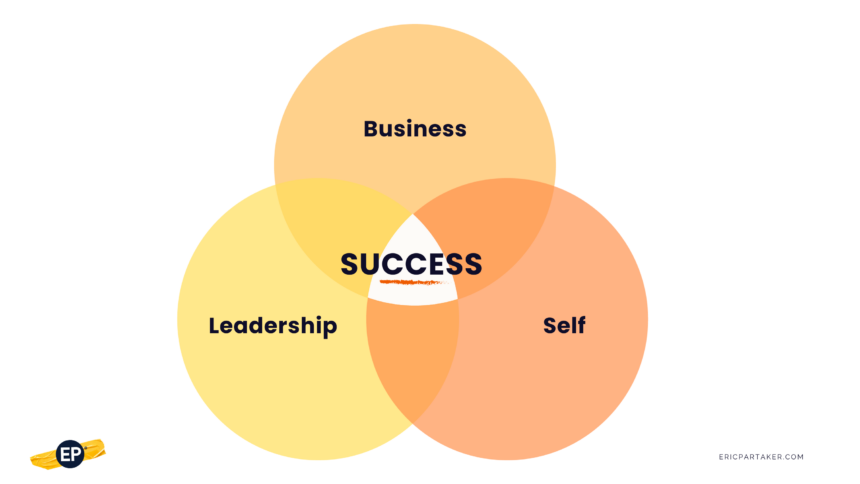
I use a holistic approach that goes beyond business. I believe that to be truly successful, you need to scale three pillars in parallel: your business, your leadership and yourself.
My experiences have taught me that who you are and who you’re capable of being are two very different things. Closing that gap forms the core of my coaching philosophy.
2. Marie Forleo
Marie Forleo is a life and business coach, motivational speaker, and host of the award-winning weekly show, Marie TV. She’s also the author of “Everything is Figureoutable,” a title that aptly encapsulates her pragmatic and optimistic approach to business.
Marie’s programs are filled with practical and actionable insights that instill courage in her clients to tackle real-world challenges head-on.
Marie’s vibrance and unyielding belief in her clients’ potential set her apart. Her content, which incorporates humor and plenty of wisdom, has transformed the lives of many professionals.
3. Tony Robbins
Tony Robbins is a world-renowned life coach, business strategist, bestselling author, and philanthropist. With decades of experience, he has empowered millions of people and organizations to unlock their full potential.
Tony’s style is dynamic and energetic. He combines proven psychological principles and strategic expertise with a magnetic personality to inspire change.
Tony’s ability to leave an imprint through immersive experiences, powerful storytelling, and practical advice is unparalleled.
4. Marshall Goldsmith
Marshall Goldsmith is a well-respected business educator and coach, who has had a profound impact on leadership development. His bestselling works, which include “What Got You Here Won’t Get You There” and “Triggers”, cemented his reputation as a thought leader in the coaching domain. Goldsmith has worked with over 150 major CEOs and their management teams, earning accolades and respect globally.
Marshall’s approach is distinctively results-oriented. He emphasizes behavioral change to drive leadership effectiveness. His “Stakeholder Centered Coaching” methodology forces executive coaches to achieve measurable results, underpinned by his philosophy: “executives buy results, not coaches”.
Goldsmith’s pragmatic, no-nonsense approach to leadership development is a hallmark of his coaching. His relentless pursuit of measurable improvements has in turn accredited his own efficacy as a coach.
5. Simon Sinek
Simon Sinek is an unshakable optimist, bestselling author, and motivational speaker, who believes in a bright future and humans’ ability to build it together. He’s renowned for popularizing the concept of “Start With Why” in the realms of business and leadership.
Simon focuses on the intrinsic motivations that drive individuals and organizations, helping clients find their passion and purpose to push them towards greatness. He is adept at training leaders to create workplaces that embody positivity, which breeds productivity.
How Do You Choose the Right Business Coach?
Choosing the right coach would depend on your industry and the coach’s specialization. Consider the following:
- Your Business Needs: Start by getting clear on what matters to your business. Are you struggling to grow? Trying to be more innovative? Overhauling leadership at your organization? Or perhaps it’s a bit of everything.
- Coach’s Expertise: Once you know what’s plaguing your business, start qualifying. Does the coach’s specialization match your needs? Do their success stories echo the triumphs you seek? Have they been where you are?
- Budget: Ask what you’re trying to achieve from coaching and see if the coach warrants the investment. Balance quality with affordability.
- Rapport: Does the first conversation ignite a spark? Can you speak freely with them?
- Listening Skills: Do you feel heard and understood? Is your coach attuned to your aspirations, fears and dreams?
- Feedback and References: Keep your ears peeled for word-of-mouth references. Seek feedback, dive into testimonials, and make an informed choice.
I offer prospective clients a free consultation so we can get a feel for each other. The only way to determine compatibility is to experience it.
Investing in a Coach is Investing in Your Future
Sometimes, complex problems have simple solutions. If you’re feeling stuck or frustrated that your business isn’t growing to its full potential, understand that there’s more to it than external factors.
In fact, most of the work begins within. The best leaders make quick and sharp decisions because they are clear – in what they want and how they can get it.
A coach can clear the clutter, help you set goals that matter, and ruthlessly prioritize tasks that create the most progress. In doing that, you also come away with tools that you can use to transform your health, relationships and overall well-being.
If you’d like to learn more, you can check out my business coaching services. And set up a free one-on-one consultation so we can figure out how to scale your business, your leadership, and yourself.
Frequently asked questions
Who is the best business coach in the world?
There’s no one answer to that question. It greatly depends on your needs and goals. Coaches possess different skills and specialties. The best coach will be the one whose skill set can most adequately solve your challenges.
As for myself, I am a certified high-performance coach, author and speaker. I have empowered hundreds of entrepreneurs and CEOs to play the game that they’re capable of playing.
Is it worth paying for a business coach?
Absolutely. Investing in a business coach can be highly beneficial. From identifying blind spots to closing knowledge gaps, building an uplifting company culture, and hiring the best talent, coaches can help you make an impact on several critical areas to take you and your company from good to great.
How do I find a good business coach?
Evaluate your needs, clarify goals, and identify challenges. Consider reaching out to your professional network for recommendations or explore coaching directories and associations. A preliminary consultation, like the one I offer for free, can also help you determine compatibility and make a calculated choice.